Concrete Patios
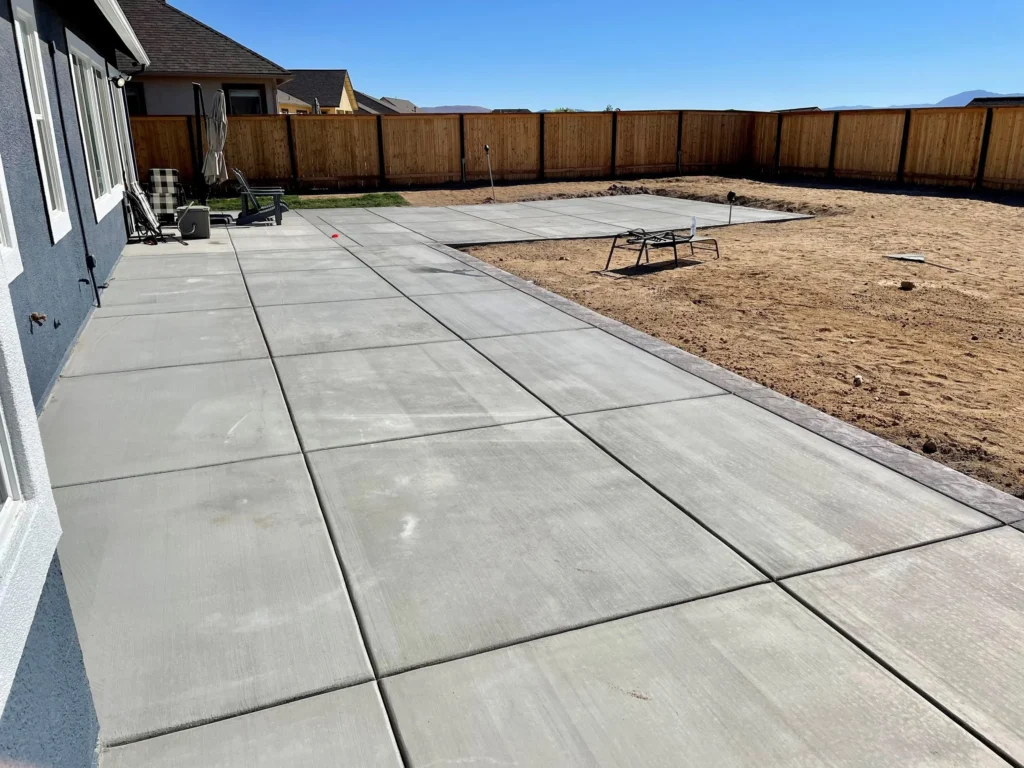
A professionally installed concrete patio can transform an unused backyard into a comfortable, durable outdoor living space. Whether you want a simple area for a grill and patio furniture or a larger space for entertaining, an outdoor kitchen, fire pit, or covered patio, concrete provides a versatile foundation for your plans.
At Cookeville Concrete Pros, we provide professional concrete patio installation in Cookeville, TN for homeowners and property owners throughout Cookeville and surrounding Putnam County communities. Every property is different, which is why every patio project should begin with careful planning. The size of the space, existing grade, drainage, access, surrounding structures, planned use, and desired finish can all influence how the concrete patio should be prepared and installed.
Our goal is to create concrete patios that provide practical outdoor space while complementing the layout and appearance of the property.
Professional Concrete Patio Installation in Cookeville
A quality concrete patio involves more than choosing a location and pouring concrete. Before installation begins, the area should be evaluated to determine how the patio will fit with the home, yard, existing drainage, walkways, landscaping, and other outdoor features.
Depending on the project, patio installation may include:
- Determining the patio size and layout
- Excavating the installation area
- Removing grass, vegetation, or unsuitable material
- Grading the site
- Preparing and compacting the base
- Setting concrete forms
- Establishing the finished elevation
- Planning for drainage and water runoff
- Installing reinforcement when appropriate
- Coordinating utilities or sleeves when needed
- Placing the concrete
- Screeding and floating the surface
- Finishing edges
- Installing control joints
- Applying the selected surface finish
- Allowing adequate curing time
Proper preparation is one of the most important parts of creating a concrete patio intended for long-term use.
New Concrete Patios
A new concrete patio in Cookeville, TN can create a permanent outdoor area for a variety of activities.
Homeowners commonly use patios for:
- Outdoor dining
- Grilling
- Patio furniture
- Family gatherings
- Fire pits
- Outdoor kitchens
- Seating areas
- Covered outdoor spaces
- Hot tubs
- Backyard entertaining
- Recreational areas
The size of the patio should be based on both the available property and how you plan to use the finished space. A smaller patio may provide enough room for a grill and table, while a larger outdoor living area may include separate sections for cooking, dining, seating, and entertainment. Planning those uses before construction can make it easier to create a patio that works well once furniture and other features are added.
Backyard Concrete Patios
Backyard patios are one of the most common ways homeowners use exterior concrete. A concrete patio creates a defined transition between the home and yard while providing a solid surface for furniture, grills, planters, outdoor kitchens, and other features.
A backyard patio may connect directly to:
- A rear entrance
- Covered porch
- Concrete walkway
- Pool area
- Driveway
- Detached garage
- Outdoor kitchen
- Fire-pit area
- Landscaping
- Other outdoor structures
Rather than treating the patio as an isolated slab, the layout can be planned around the rest of the property.
Concrete Patio Extensions
Sometimes an existing patio is still usable but no longer provides enough space. A concrete patio extension in Cookeville can increase the usable outdoor area without necessarily replacing the entire existing patio.
Homeowners may extend a patio to create room for:
- Additional seating
- A larger dining area
- An outdoor grill
- Outdoor kitchen equipment
- A fire pit
- More entertaining space
- A pergola
- A future patio cover
- A hot tub
- Additional walkway access
Before adding new concrete to an existing patio, the condition, elevation, drainage, and layout of the existing concrete should be evaluated. It is also important to understand that newly installed concrete may not perfectly match concrete that has already been exposed to years of weather, use, and aging.
Concrete Patio Replacement
Older patios can eventually become damaged, outdated, or unsuitable for the way a homeowner wants to use the backyard.
Common issues may include:
- Extensive cracking
- Settlement
- Surface deterioration
- Uneven sections
- Drainage problems
- Broken edges
- Poor layout
- Multiple previous repairs
- Insufficient size
When deterioration becomes significant, removing and replacing the patio can provide an opportunity to do more than simply install new concrete in exactly the same location.
Replacement can also allow you to reconsider:
- Patio dimensions
- Shape
- Finished elevation
- Drainage
- Walkway connections
- Furniture placement
- Decorative finishes
- Outdoor-kitchen locations
- Fire-pit areas
- Future patio covers
A replacement project can therefore become an opportunity to create a better outdoor space instead of simply duplicating an older design.
Site Preparation for Concrete Patios
Much of the work that determines the quality of a concrete patio happens before the finished surface is visible.
The installation area may first need to be cleared of materials such as:
- Grass
- Roots
- Topsoil
- Loose soil
- Existing concrete
- Pavers
- Gravel
- Organic material
- Construction debris
The area can then be graded and prepared for the new concrete. Depending on the site and project requirements, compacted base material may also be installed before forms and concrete placement. Good site preparation helps provide a more stable foundation beneath the finished patio.
Patio Grading and Drainage
Drainage deserves particular attention when concrete is being installed next to a home. Concrete does not readily absorb rainfall into the ground, so the finished grade and surrounding drainage conditions should be considered during patio planning.
Factors may include:
- Foundation elevation
- Door thresholds
- Existing yard slope
- Gutters
- Downspouts
- Landscaping
- Nearby walkways
- Existing drainage paths
- Retaining walls
- Adjacent concrete surfaces
A new patio should fit into the property’s existing drainage system rather than unintentionally creating a new water problem.
Broom-Finished Concrete Patios
For customers looking for a clean and traditional concrete surface, a broom-finished concrete patio is a common option. A broom finish creates a lightly textured surface instead of leaving the concrete completely smooth.
This type of finish is frequently used on outdoor concrete, including:
- Patios
- Driveways
- Sidewalks
- Walkways
- Exterior slabs
For homeowners who want a straightforward concrete patio without decorative patterns or coloring, a broom finish can provide a clean and practical appearance.
Stamped Concrete Patios
For customers who want a more decorative outdoor area, stamped concrete patios in Cookeville, TN provide additional design possibilities. Stamped concrete uses specialized finishing techniques to create patterns and textures in the concrete surface.
Depending on the selected pattern, stamped concrete can create the appearance of materials such as:
- Natural stone
- Slate
- Flagstone
- Brick
- Large-format pavers
- Other decorative surfaces
Stamped concrete can be especially attractive for:
- Backyard patios
- Outdoor kitchens
- Fire-pit areas
- Poolside spaces
- Walkways
- Front entrances
Because the decorative pattern is incorporated while the concrete is being installed, design decisions should be made before the concrete placement begins.
Decorative Concrete Patios
Stamped concrete is only one decorative option.
Depending on the project, other patio design elements may include:
- Decorative borders
- Selected color treatments
- Textured finishes
- Patterned concrete
- Contrasting sections
- Customized joint layouts
- Decorative edging
The most appropriate design depends on the home, landscaping, patio dimensions, and desired appearance. Decorative concrete does not necessarily need to be elaborate. Even relatively simple finishing details can help distinguish the patio from a standard concrete slab.
Concrete Patios for Outdoor Kitchens
Outdoor kitchens are becoming a popular way to expand the usable living space of a home.
A concrete patio can provide space for features such as:
- Built-in grills
- Countertops
- Cabinets
- Refrigerators
- Sinks
- Pizza ovens
- Serving areas
- Outdoor dining
If an outdoor kitchen is planned, those details should be considered before the patio is poured whenever possible.
The project may require coordination for:
- Plumbing
- Water lines
- Electrical conduit
- Gas lines
- Drainage
- Equipment locations
- Future walls
- Counter locations
Planning these features in advance can reduce the need to cut or modify finished concrete later.
Concrete Patios for Fire-Pit Areas
A concrete patio can also provide a defined gathering area around an outdoor fire feature. The fire-pit area may be incorporated into the main patio or designed as a separate connected space.
Before finalizing the patio design, consider factors such as:
- Seating arrangement
- Walking space
- Distance from the home
- Surrounding landscaping
- Type of fire feature
- Manufacturer specifications
- Applicable fire or building requirements
Planning the feature beforehand helps ensure the patio dimensions and layout accommodate the intended use.
Patio Steps and Elevation Changes
Not every Cookeville-area property has a perfectly level backyard.
Some patios need to transition between different elevations, such as:
Back door → Patio
Patio → Yard
Patio → Walkway
Patio → Pool area
Depending on the site, concrete steps or other transitions may need to be incorporated into the overall design. These elevations should be considered during layout and forming rather than after the concrete is already installed.
Connecting Concrete Patios and Walkways
A patio can also become the center of a larger outdoor concrete layout.
Concrete walkways can connect the patio with:
- The driveway
- Front entrance
- Garage
- Side yard
- Pool
- Fire-pit area
- Workshop
- Storage building
- Other outdoor spaces
Planning the patio and walkways together can create better transitions between different areas of the property.
Concrete Patios and Landscaping
Concrete patios frequently border grass, mulch beds, shrubs, decorative stone, and other landscaping. The patio layout can sometimes be shaped around existing landscaping or become the foundation for a completely new backyard design.
Possible combinations include:
- Curved concrete edges
- Landscape beds surrounding the patio
- Decorative stone borders
- Walkways extending through landscaping
- Outdoor lighting
- Planters
- Retaining walls
- Lawn transitions
Considering the surrounding landscape can help the finished patio look like an intentional part of the property.
Curved Concrete Patios
Concrete provides considerable flexibility when designing patio shapes. A patio does not necessarily need to be a simple square or rectangle.
Depending on the property, the design may include:
- Curved edges
- Rounded corners
- Irregular layouts
- Multiple connected sections
- Separate seating areas
- Walkway connections
- Decorative borders
A customized shape can help the patio fit around landscaping, structures, and the natural layout of the yard.
Large Concrete Patios
Larger patios can provide enough room to create multiple outdoor-use areas. For example, one patio may contain:
Cooking Area
Space for a grill or outdoor kitchen.
Dining Area
Room for a table and chairs.
Seating Area
Outdoor sofas or lounge furniture.
Fire-Pit Area
A separate gathering space.
When planning a larger patio, consider the actual dimensions of the furniture and equipment you expect to use. A patio that seems very large while empty can become crowded quickly once tables, chairs, grills, and other outdoor features are installed.
Patio Edges and Finishing Details
Small details can make a significant difference in the appearance of a finished patio.
Important visual elements include:
- Consistent surface finishing
- Clean perimeter edges
- Appropriate control joints
- Smooth transitions
- Defined decorative borders
- Clean connections to walkways
- Proper transitions to existing concrete
The objective is to create a completed outdoor area that looks intentional rather than simply appearing as a concrete slab placed in the backyard.
Concrete Patio Curing
Concrete continues developing strength after placement. Although the surface may appear hard relatively quickly, that does not mean the concrete has completed the curing process.
The appropriate time before placing heavy loads on a new patio depends on factors such as:
- Concrete mixture
- Weather
- Temperature
- Curing conditions
- Project specifications
- Intended use
Appropriate curing practices and waiting periods should be followed before the patio is subjected to unusually heavy loads.
Concrete Patios for New Homes
A new-home project provides an opportunity to plan the patio alongside other exterior features.
The patio can be coordinated with:
- Rear-door elevations
- Driveways
- Concrete walkways
- Landscaping
- Drainage
- Utilities
- Outdoor kitchens
- Future patio covers
- Garage slabs
- Other concrete areas
Planning these features together can create a more cohesive property layout.
Concrete Patios for Existing Homes
You do not have to be building a new home to create a new outdoor living space.
A patio can be added to an existing property as part of:
- Backyard renovations
- Landscaping improvements
- Pool projects
- Outdoor kitchens
- Home additions
- New garages
- General property upgrades
- Patio replacement projects
The new patio can be designed around the existing home and yard.
Residential Concrete Patios in Cookeville
Cookeville Concrete Pros provides residential patio services for a variety of projects, including:
- New concrete patios
- Backyard patios
- Patio replacement
- Patio extensions
- Broom-finished patios
- Stamped concrete patios
- Decorative concrete patios
- Outdoor-kitchen areas
- Fire-pit areas
- Covered-patio concrete
- Connected concrete walkways
Each project is different, so the layout and concrete work should be planned around the individual property.
How Much Does a Concrete Patio Cost in Cookeville?
The cost of a concrete patio in Cookeville, TN depends on the specific project.
Factors that may influence pricing include:
- Total square footage
- Concrete thickness
- Excavation
- Existing concrete removal
- Site accessibility
- Base preparation
- Grading
- Reinforcement
- Patio shape
- Concrete specifications
- Surface finish
- Stamped concrete
- Decorative treatments
- Steps
- Walkway connections
- Utility preparation
- Drainage
- Site conditions
A simple rectangular broom-finished patio on an easily accessible site is a different project from a large decorative outdoor area requiring demolition, complex forming, stamped concrete, utility preparation, and multiple connected spaces.
For that reason, an accurate estimate should be based on the actual property and project.
What Information Should I Provide for a Patio Estimate?
Providing some basic information can make the estimate process easier.
Helpful information includes:
Project location
Tell us where the property is located.
Approximate dimensions
Provide the approximate patio length and width.
Current surface
Let us know whether the area is currently grass, dirt, gravel, pavers, or existing concrete.
Intended use
Explain what you want to use the finished patio for.
Desired finish
Tell us whether you are interested in standard concrete, stamped concrete, or another decorative option.
Future features
Mention any planned outdoor kitchen, pergola, pavilion, hot tub, fire pit, or patio cover.
Existing concrete
Let us know if an old patio must be removed.
Project timeframe
Tell us when you hope to have the project completed.
Photos
Photos of the proposed patio area can provide helpful initial context.
Why Choose Concrete for a Patio?
Concrete is a versatile material for outdoor spaces because it can accommodate many different sizes, shapes, and finishes.
A patio can also be integrated with other concrete features throughout the property, including:
- Walkways
- Driveways
- Steps
- Garage slabs
- Pool areas
- Outdoor kitchens
- Other exterior concrete surfaces
This allows concrete to serve as part of a larger outdoor property design rather than functioning as a completely separate feature.
Serving Cookeville and Putnam County
Cookeville Concrete Pros provides concrete patio services throughout Cookeville, Tennessee and surrounding Putnam County communities.
Our service area includes:
Cookeville • Algood • Baxter • Monterey • Putnam County • and surrounding Upper Cumberland communities
If your property is outside one of these areas, contact us to discuss your project location.
Frequently Asked Questions About Concrete Patios
How large should my concrete patio be?
The ideal size depends on how you plan to use the space. Consider furniture dimensions, grills, outdoor kitchens, walking areas, fire pits, and other planned features before choosing the final patio size.
Can you extend an existing concrete patio?
In many cases, new concrete can be added beside an existing patio. The condition, elevation, drainage, and layout of the existing surface should first be evaluated.
Will the new concrete match my existing patio?
Newly installed concrete should not automatically be expected to perfectly match older concrete. Weather exposure, age, curing, mixture, and finishing can all affect appearance.
Can a concrete patio have curved edges?
Yes. Concrete patios can incorporate curved edges and custom layouts depending on the property and desired design.
Can I have a stamped concrete patio?
Yes. Stamped concrete can provide decorative patterns and textures for patios. The desired pattern and finish should be determined before installation.
Can my patio connect to a concrete walkway?
Yes. Walkways are commonly used to connect patios to driveways, garages, side yards, entrances, pools, and other outdoor areas.
Can I build a patio cover later?
Potentially, but it is better to consider future structural plans before the patio is installed. Footings, posts, anchors, and other requirements may need to be incorporated into the original project.
Does Cookeville require a permit for a concrete patio?
Permit requirements depend on the exact project. The City of Cookeville specifically identifies patio covers as requiring a building permit. For an uncovered concrete patio, property owners should confirm whether their particular project involves other permitting, grading, drainage, utility, setback, or structural requirements before construction. Any information available may be located here.
Contact Cookeville Concrete Pros today to request an estimate for your concrete patio project in Cookeville, TN.